


- Details
Invisible propaganda
The strongest influence is the one we regard as our own thought.
In collective memory, propaganda is associated with posters, slogans, political speeches and state media. This, however, is its easily recognisable form.
Truly effective propaganda is much more subtle. It does not need to tell you what to believe. It creates the environment in which you will arrive, on your own, at the belief it seeks.
This is also what distinguishes it from simple deception.
Deception seeks to influence what you see.
Propaganda seeks to influence how you interpret what you see.
And that is far more powerful.
Read more: Deception, propaganda and the construction of the enemy – Part 2

- Details
When a lie does not need to hide the truth, it only needs to make us look elsewhere.
Deception is one of the oldest forms of power. In war, intelligence operations, politics, the economy and everyday life, the most effective way to protect something is not always to hide it. Sometimes it is enough to direct attention elsewhere.
This is the essential difference between concealment and deception.
Concealment says: “I do not want you to see.”
Deception says: “I want you to see what I have chosen.”
And that is far more powerful.
Read more: Deception, propaganda and the construction of the enemy – Part 1

- Details
In the security sector, there is often a belief that more resources, more personnel or more technology automatically mean greater protection.
The reality, however, is different.
Real security is not a matter of quantity.
It is a matter of sound reasoning.
A rational approach to security is based on objective risk assessment, analysis of actual threats and sound planning of available resources.
It is not driven by fear, exaggeration or displays of force. It is grounded in knowledge, experience and a methodical approach.
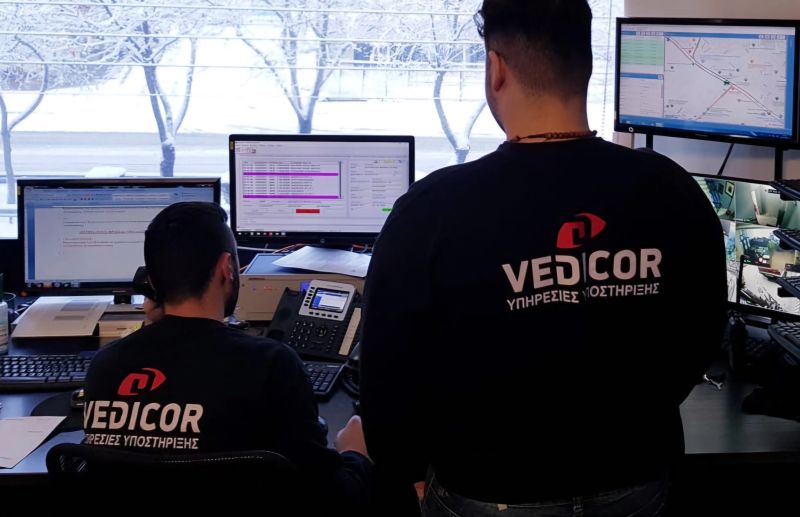
- Details
What an integrated security plan and penetration testing programme can look like.
Objectives and scope
- Assessing physical security and access to facilities.
- Simulating social engineering attacks.
- Penetration testing of critical infrastructure: data centres, warehouses and perimeters.
- Analysing vulnerabilities in CCTV, alarm systems and RFID.
- Assessing personnel response in realistic crisis scenarios.
Implementation framework
- Team A → Ethical hackers and physical security testers.
- Team B → Defence and response to attacks.
- Team C → Coordination, assessment and optimisation.
- Regular security drills and crisis simulations.
Read more: An integrated security plan and penetration testing